
This dual threat has prompted the UK Health Security Agency (UKHSA) and NHS professionals to issue urgent warnings. Understanding these risks, recognizing the symptoms, and knowing how to protect yourself and your family is now more critical than ever. This comprehensive guide explores why these historical illnesses are returning, what you need to know about the deadly Marburg virus, and actionable steps you can take to safeguard your health.
The Return of Victorian Illnesses: What is Happening in the UK?
It sounds like a headline from the 1800s, but the UK is currently experiencing a significant surge in diseases that were largely considered controlled, if not entirely eradicated, in the modern era. These are often referred to collectively as "Victorian illnesses" because of their prevalence during the reign of Queen Victoria, when overcrowding, poor sanitation, and malnutrition were widespread.
Among the most concerning of these returning diseases is measles. Once a routine childhood illness that was successfully suppressed through the measles, mumps, and rubella (MMR) vaccine, measles cases have spiked dramatically across various UK regions, particularly in urban areas like London and the West Midlands. Measles is highly contagious and can lead to severe complications, including pneumonia, brain swelling (encephalitis), and even death.
Similarly, whooping cough (pertussis), historically known as the "100-day cough," has seen a massive resurgence. This bacterial infection causes intense, uncontrollable coughing fits that make it difficult to breathe, often ending in a characteristic high-pitched "whoop" sound. For infants, whooping cough can be life-threatening.
But it is not just highly infectious viral and bacterial diseases making a comeback. Nutritional and metabolic disorders of the Victorian era are also rising:
- Gout: An extremely painful form of arthritis caused by the buildup of uric acid crystals in the joints. Once associated with the wealthy, overindulgent elite of Victorian society, it is now rising rapidly across all demographics in the UK due to modern dietary shifts, high-fructose corn syrup intake, alcohol consumption, and obesity.
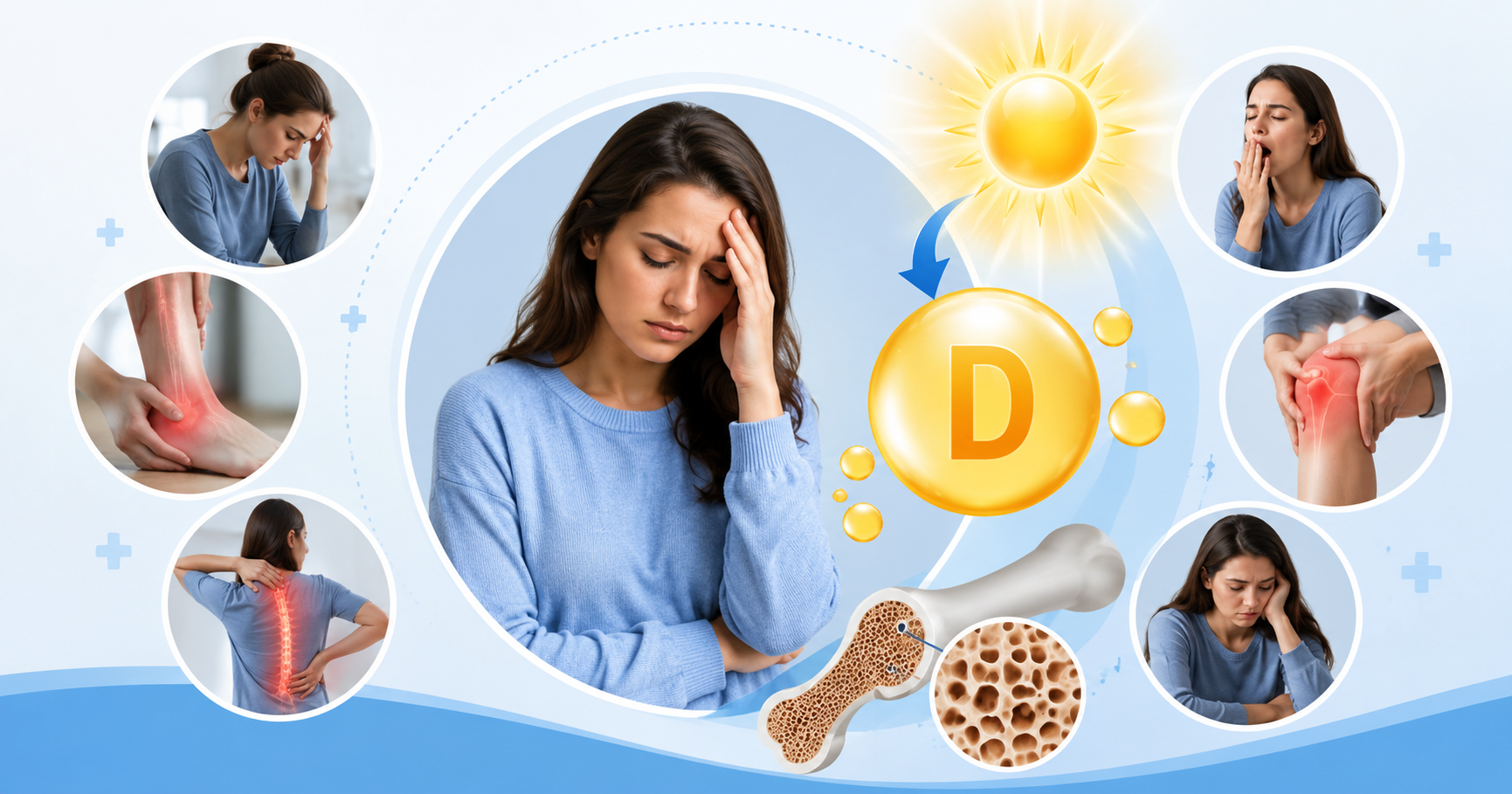
- Rickets: A bone-softening disease in children caused by severe Vitamin D deficiency. It was thought to be a relic of the industrial revolution when smog blocked out sunlight, but lifestyle changes and dietary deficiencies have brought it back to modern clinics.
- Scurvy: Caused by a severe lack of Vitamin C, this disease of ancient sailors and Victorian slums is making sporadic appearances in hospital admissions due to poor diets lacking fresh fruits and vegetables.
Understanding the Deadly Marburg Virus Threat
While the rise of Victorian illnesses represents a internal public health failure, the threat of the Marburg virus highlights the global nature of modern health risks. The UK health sector has been placed on high alert following outbreaks of the Marburg virus in parts of Africa, notably Rwanda, which have triggered international travel monitoring and clinical preparation.
Marburg virus is a highly severe, often fatal zoonotic filovirus belonging to the same family as the Ebola virus. It was first identified in 1967 following simultaneous outbreaks in laboratory workers in Marburg and Frankfurt, Germany, and Belgrade, Serbia. The natural reservoir host of the Marburg virus is the Rousettus fruit bat.
The virus is transmitted to humans from fruit bats and spreads through human-to-human transmission via direct contact with the blood, secretions, organs, or other bodily fluids of infected people, as well as with surfaces and materials contaminated with these fluids.
The clinical presentation of Marburg virus disease is severe:
- Incubation Period: Ranges from 2 to 21 days, starting abruptly with high fever, severe headache, and intense malaise.
- Rapid Progression: Severe watery diarrhea, abdominal pain and cramping, nausea, and vomiting can begin by the third day. Patients often present a ghost-like, drawn appearance with expressionless faces and extreme lethargy.
- Hemorrhagic Manifestations: In fatal cases, severe hemorrhagic manifestations appear between 5 and 7 days. Bleeding from the nose, gums, and venipuncture sites is common, alongside blood in vomit and feces.
- Fatality Rate: The case fatality rate for Marburg virus disease averages around 50%, but it has reached as high as 88% in previous outbreaks, depending on the virus strain and clinical management quality.
Because of the high volume of international travel, the UKHSA has issued strict protocols for NHS hospitals and GP surgeries. Any patient presenting with unexplained fever and a history of recent travel to affected regions must be isolated immediately to prevent potential local transmission.
Why Are Historical Diseases Making a Comeback Now?
To effectively combat these health threats, we must understand the underlying causes of their sudden resurgence. The return of Victorian illnesses is not a random occurrence; it is driven by a combination of societal, economic, and behavioral factors.
First and foremost is the decline in vaccination uptake. Herd immunity is the shield that protects a population from highly contagious diseases like measles and whooping cough. For measles, a vaccination coverage rate of at least 95% is required to prevent outbreaks. In recent years, MMR vaccine uptake in the UK has fallen below this critical threshold, driven by vaccine misinformation, complacency, and disruptions to routine healthcare services during the COVID-19 pandemic.
Secondly, socio-economic factors play a massive role. The cost-of-living crisis in the UK has forced many families to compromise on nutrition. Fresh, nutrient-dense foods like fruits, vegetables, and high-quality proteins are often replaced by cheap, ultra-processed foods high in sugar and sodium. This shift has directly contributed to the rising rates of gout, rickets, and sub-clinical scurvy.
Furthermore, sedentary, indoor lifestyles mean many children and adults do not get enough natural sunlight, leading to widespread Vitamin D deficiencies that trigger conditions like rickets. Combined with an overstretched NHS struggling with waiting times, early interventions are missed, allowing preventable conditions to deteriorate into chronic or acute crises.
How to Recognize Key Symptoms and Stay Safe
Vigilance is your best defense against both re-emerging historical diseases and foreign viral threats. Knowing how to identify these illnesses early can save lives.
- Measles: Look for a high fever, runny nose, cough, red and watery eyes, and small white spots inside the cheeks (Koplik spots). A red-brown blotchy rash typically appears a few days later, starting on the face and spreading down the body.
- Whooping Cough: Starts with cold-like symptoms (runny nose, sore throat). After a week or two, it develops into intense coughing bouts that last for minutes, especially at night. Infants may gasp for air or briefly turn blue.
- Gout: Sudden, severe pain in a joint, most commonly the big toe, accompanied by swelling, redness, and extreme tenderness. The joint may feel hot to the touch.
- Rickets: Symptoms in children include delayed growth, pain in the spine, pelvis, and legs, and skeletal deformities such as bowed legs or thickened wrists and ankles.
- Marburg Virus: Sudden onset of high fever, severe headache, muscle aches, and extreme fatigue. This is followed by severe diarrhea, abdominal pain, vomiting, and, in advanced stages, unexplained bleeding from various parts of the body.
Practical Action Plan: Protecting Yourself and Your Family
While these headlines are alarming, you are not powerless. Implementing practical, everyday health measures can significantly reduce your risk of contracting or developing these conditions.
- Update Your Vaccinations: Ensure you and your children are fully up-to-date with all routine NHS vaccinations, especially the MMR vaccine and the pertussis (whooping cough) vaccine for pregnant women and infants. If you are unsure of your vaccination status, contact your GP surgery to check.
- Optimize Your Daily Nutrition: Aim for a balanced diet rich in fresh produce to prevent nutritional deficiencies. Incorporate foods high in Vitamin C (citrus fruits, bell peppers, berries) to ward off scurvy, and reduce foods high in purines (red meat, seafood, alcohol) to lower your risk of gout.
- Supplement Vitamin D: The NHS recommends that everyone in the UK consider taking a daily supplement containing 10 micrograms of Vitamin D, particularly during the autumn and winter months when sunlight is scarce.
- Practice Rigorous Hygiene: Wash your hands frequently with soap and water for at least 20 seconds. Hand hygiene is one of the most effective ways to prevent the spread of respiratory droplets and viral pathogens.
- Practice Safe Travel: If traveling internationally, check the latest travel health advisories. Avoid visiting areas with active Marburg virus outbreaks, steer clear of caves or mines inhabited by fruit bats, and avoid contact with anyone showing symptoms of severe illness.
- Seek Early Medical Advice: If you or a family member shows symptoms of any of these conditions, seek medical attention immediately. If you suspect exposure to an infectious pathogen like measles or have returned from an area with a Marburg outbreak, call NHS 111 or your GP surgery beforehand so they can take appropriate isolation precautions before you arrive.
Conclusion
The simultaneous threat of returning Victorian diseases and the deadly Marburg virus serves as a stark reminder that public health is a continuous battle. We cannot afford complacency. The return of diseases we once conquered highlights the critical importance of vaccination programs, robust nutrition, and community health awareness. Meanwhile, the threat of foreign outbreaks emphasizes the need for global vigilance and strict border protocols.
By staying informed, maintaining up-to-date vaccinations, prioritizing nutritional health, and practicing good hygiene, you can protect yourself and play a vital role in shielding the wider community from these resurgent threats. Stay alert, stay healthy, and do not hesitate to reach out to healthcare professionals if you have concerns about your well-being.